
Aluminium vs. uPVC Bifold Doors – Which is Best
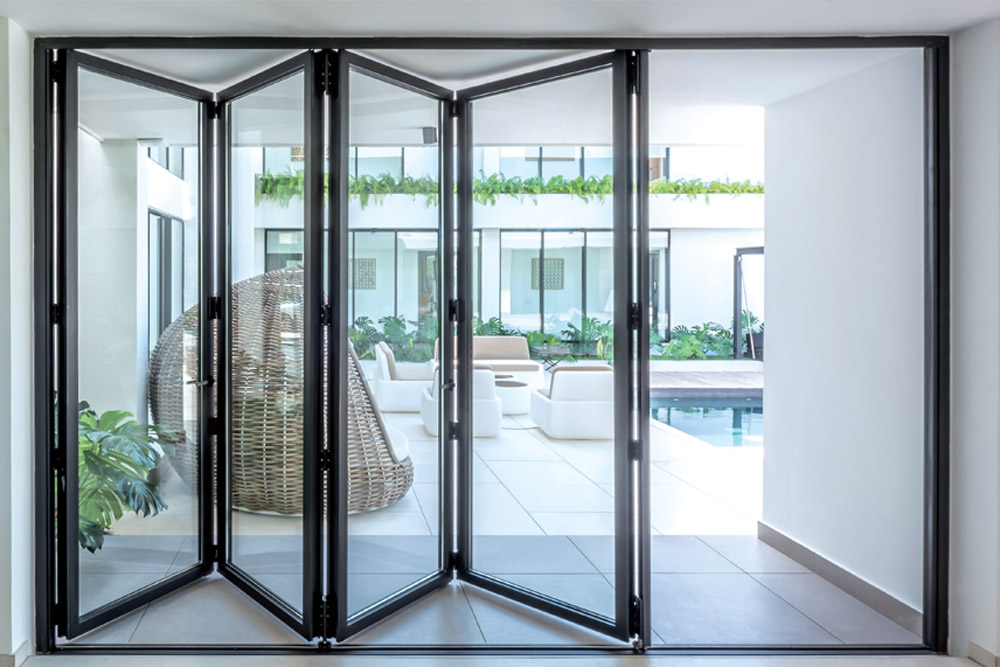
At Mersey Bifolds, based in Huyton, Liverpool, we’re committed to helping businesses and homeowners make informed decisions about their bifold door installations. With over 30 years of expertise through our sister company, Safeseal Conservatories, we offer premium bifold doors tailored to your needs. One of the most common questions we encounter is whether to choose aluminium or uPVC frames for bifold doors. Both materials have unique benefits / drawbacks and understanding these can help you select the best option for your commercial or residential space. Below, we will compare aluminium and uPVC bifold door frames, highlighting their advantages and disadvantages.
Aluminium Bifold Doors: Advantages and Disadvantages
Advantages of Aluminium Bifold Doors
Durability and Longevity: Aluminium is exceptionally strong and resistant to corrosion, rust, and weathering, making it ideal for Liverpool’s often damp and windy climate. Our aluminium bifold doors, manufactured in the UK by industry leader Mazuli, maintain their structural integrity and appearance for decades with minimal maintenance, just a quick clean with soapy water.
Modern Aesthetics: Aluminium frames offer slim sightlines, maximising the glass area and creating a contemporary, premium look. We can customise our doors in popular colours like anthracite grey, black, or any RAL colour to match your business or homes’ aesthetic, enhancing curb appeal for businesses like bars, cafes, and shops. These bifold doors also work perfectly and addition to the rear of your home for an orangery or new home extension.
Energy Efficiency: Despite their slim profiles, our aluminium bifold doors feature advanced thermal break technology and high-quality glazing, providing excellent insulation. This keeps your spaces warm in winter and cool in summer, reducing energy costs for heating and cooling.
Security: Aluminium’s inherent strength, combined with multi-point locking systems, ensures our bifold doors offer robust security. This is crucial for businesses protecting valuable assets or homeowners seeking peace of mind.
Versatility and Configurations: Aluminium frames support larger panels and configurations (up to 7 panes), allowing us to create expansive openings for seamless indoor-outdoor transitions. This is perfect for restaurants or pubs with outdoor seating areas or for when you are entreating guests in your home. Learn more about our technical specifications here.
Disadvantages of Aluminium Bifold Doors
Higher Initial Cost: Aluminium bifold doors typically have a higher upfront cost compared to uPVC due to the premium material and manufacturing process. However, their durability and low maintenance often offset this over time.
Thermal Conductivity: While modern aluminium frames incorporate thermal breaks, older or lower-quality designs may conduct more heat than uPVC, potentially affecting energy efficiency if not properly engineered.
uPVC Bifold Doors: Advantages and Disadvantages
Advantages of uPVC Bifold Doors
Cost-Effective: uPVC bifold doors are generally more affordable upfront, making them an attractive option for businesses or homeowners on a tighter budget. This lower initial cost can free up funds for other renovations.
Good Insulation: uPVC is a non-conductive material, naturally providing solid thermal insulation. This helps maintain consistent indoor temperatures, potentially lowering energy bills.
Low Maintenance: Like aluminium, uPVC requires minimal upkeep, typically just cleaning with soapy water to keep frames looking fresh. It resists fading and doesn’t need painting.
Weather Resistance: uPVC is durable against moisture and won’t rot or corrode, making it suitable for Liverpool’s rainy climate.
Disadvantages of uPVC Bifold Doors
Less Durable: uPVC is less robust than aluminium and can become brittle over time, especially under prolonged exposure to UV rays or extreme weather. This may lead to cracking or warping, requiring earlier replacement.
Bulkier Frames: uPVC frames are thicker to achieve structural stability, resulting in wider sightlines that reduce the glass area. This can make spaces feel less open and limit natural light, which is a drawback for businesses like cafes or retail shops aiming for a bright, inviting atmosphere.
Limited Aesthetic Options: uPVC frames offer fewer colour choices, often limited to white, wood-effect finishes, or basic colours. Customisation is less flexible, which may not suit the aesthetic you were envisioning.
Lower Strength for Large Configurations: uPVC struggles to support larger panels or wider openings due to its lower structural strength, restricting design flexibility for businesses or homeowners needing expansive bifold doors.
Why Aluminium Bifold Doors Are the Better Overall Option
While both aluminium and uPVC bifold doors have their merits, we believe aluminium bifold doors are the superior choice for most Liverpool businesses and homeowners for the following reasons:
Long-Term Value: Although aluminium doors have a higher initial cost, their exceptional durability and minimal maintenance requirements make them a cost-effective investment over time. Unlike uPVC, which may crack or warp, aluminium frames withstand heavy use and harsh weather, ensuring our doors remain functional and attractive for decades. This is especially valuable for high-traffic businesses like bars, pubs, or restaurants.
Premium Aesthetics and Flexibility: Aluminium’s slim sightlines and extensive colour options allow us to create a modern, tailored look that enhances your property’s appeal. Whether you are running a trendy cafe in the Baltic Triangle or a boutique in Liverpool ONE, aluminium bifold doors elevate your brands image and attract customers with their sleek design. The ability to support larger panels also gives you greater flexibility to create open, airy spaces that uPVC cannot match.
Enhanced Performance: Aluminium bifold doors, with modern thermal break technology, rival uPVC’s insulation while offering superior strength and security. At Mersey Bifolds, our doors are engineered for optimal energy efficiency, ensuring our spaces stay comfortable and cost-efficient year-round. The robust multi-point locking systems provide peace of mind, particularly for businesses securing valuable inventory.
Versatility for Liverpool Businesses: For hospitality businesses like pubs, cafes, or restaurants, aluminium bifold doors maximise natural light and create seamless indoor-outdoor transitions, enhancing the customer experience. Retail shops benefit from the modern aesthetic and increased visibility, while homeowners enjoy a premium upgrade that boosts property value. uPVC’s limitations in strength and design make it less suitable for these dynamic applications.
Trusted Local Expertise: At Mersey Bifolds, we supply and fit UK-manufactured aluminium bifold doors with fast lead times and comprehensive guarantees. Our Liverpool-based team, backed by over 30 years of experience, ensures precise installation and exceptional service, tailored to our local climate and business needs. We provide free, no-obligation quotes and on-site measurements, making the process seamless.
Conclusion
Choosing between aluminium and uPVC bifold doors depends on your budget and priorities, but aluminium stands out as the better overall option for Liverpool businesses and homeowners. Its durability, modern aesthetics, energy efficiency, and versatility make it ideal for creating inviting spaces that stand the test of time. While uPVC offers affordability and good insulation, its limitations in strength, design flexibility, and longevity make it less suitable for high-impact commercial settings or premium home upgrades. At Mersey Bifolds, we’re here to help you transform a bar, cafe, retail shop, or home with our expertly installed aluminium bifold doors. Mersey Bifolds are here to assist you with all your Bifold Door needs whether you are a homeowner seeking the perfect addition to your new extension or a local business looking to increase foot traffic. Contact us today for a free no obligation quote.